
OUR IMPACT

Our Projects

We don’t stop at designing projects. We carry them out with farmers, institutions and communities, and build them to keep running once we step back.

Projects we carry through

A project is only finished when the people it was built for can run it without us.

Our project work is backed by technical know-how, institutional partners and methods tested in the field. We plan each project with the partners who fund it, deliver it with our own team, and put community ownership first.

Every project includes

Projects delivered

Flagship projects

Four of the projects we have planned and delivered with our partners.

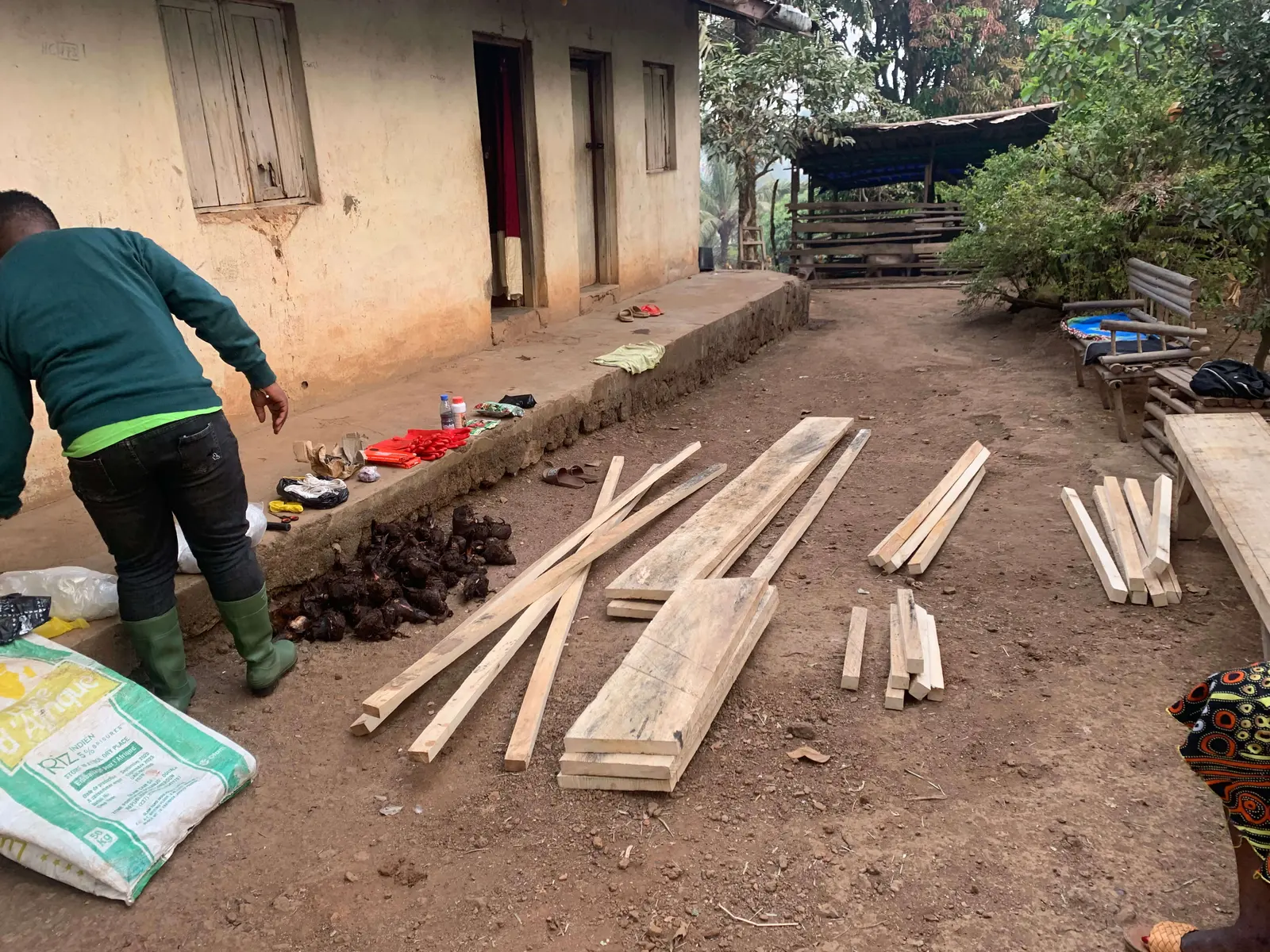
A Mumita trainer sorts timber laid out in a village yard for a greenhouse build
Agro-infrastructure for rural recovery

Delivered as part of post-conflict reconstruction support: climate-resilient farm tools, training, greenhouses and processing units for displaced communities. Our team planned the work, installed the equipment and ran the training.

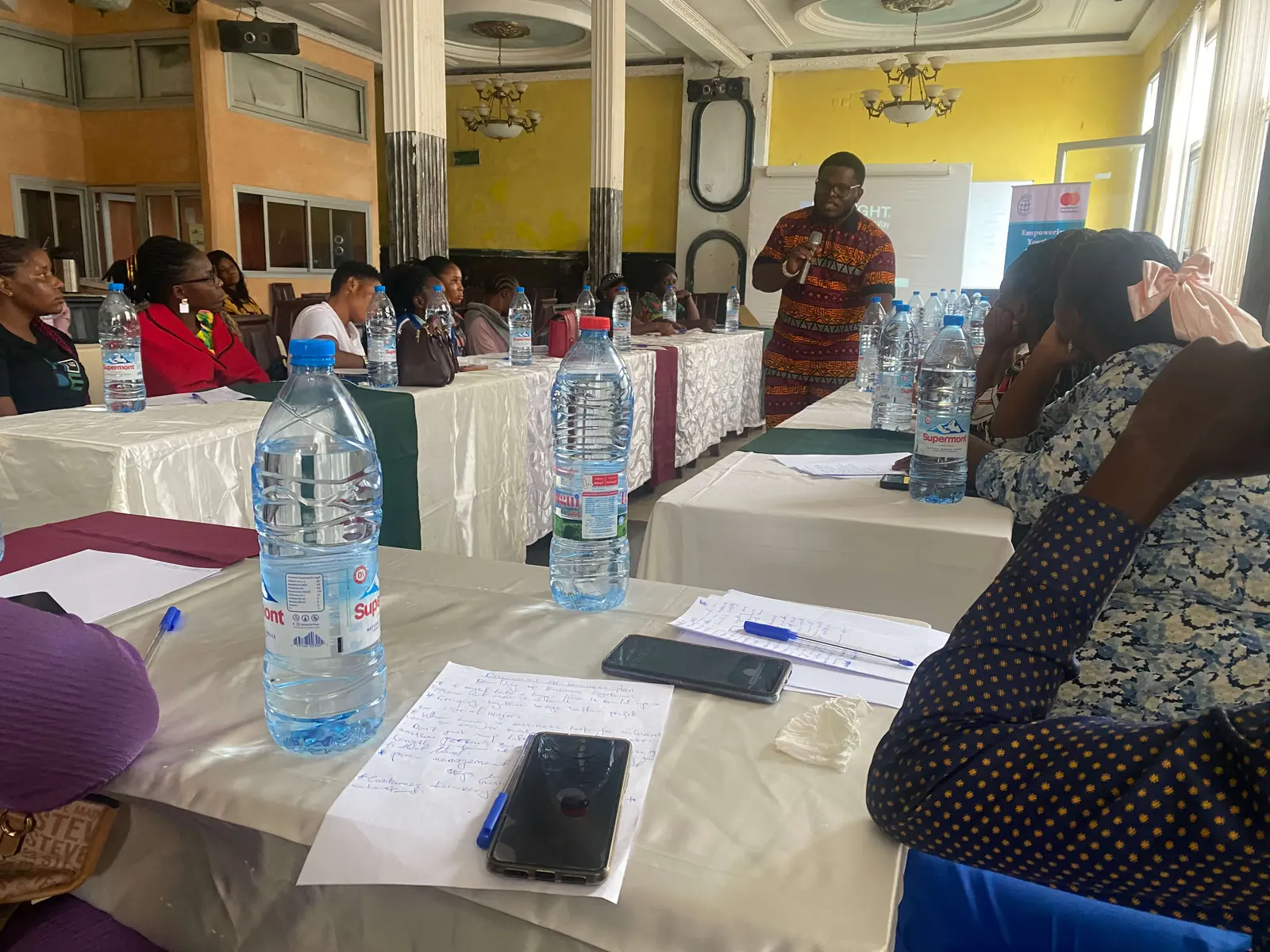
Young participants at tables in a training hall listen to a speaker
Youth Agro-Incubation Programme (YAP)

Agribusiness coaching, demonstration farms and mentorship for young graduates, with hands-on work in plantain farming, mushroom growing and snail production.

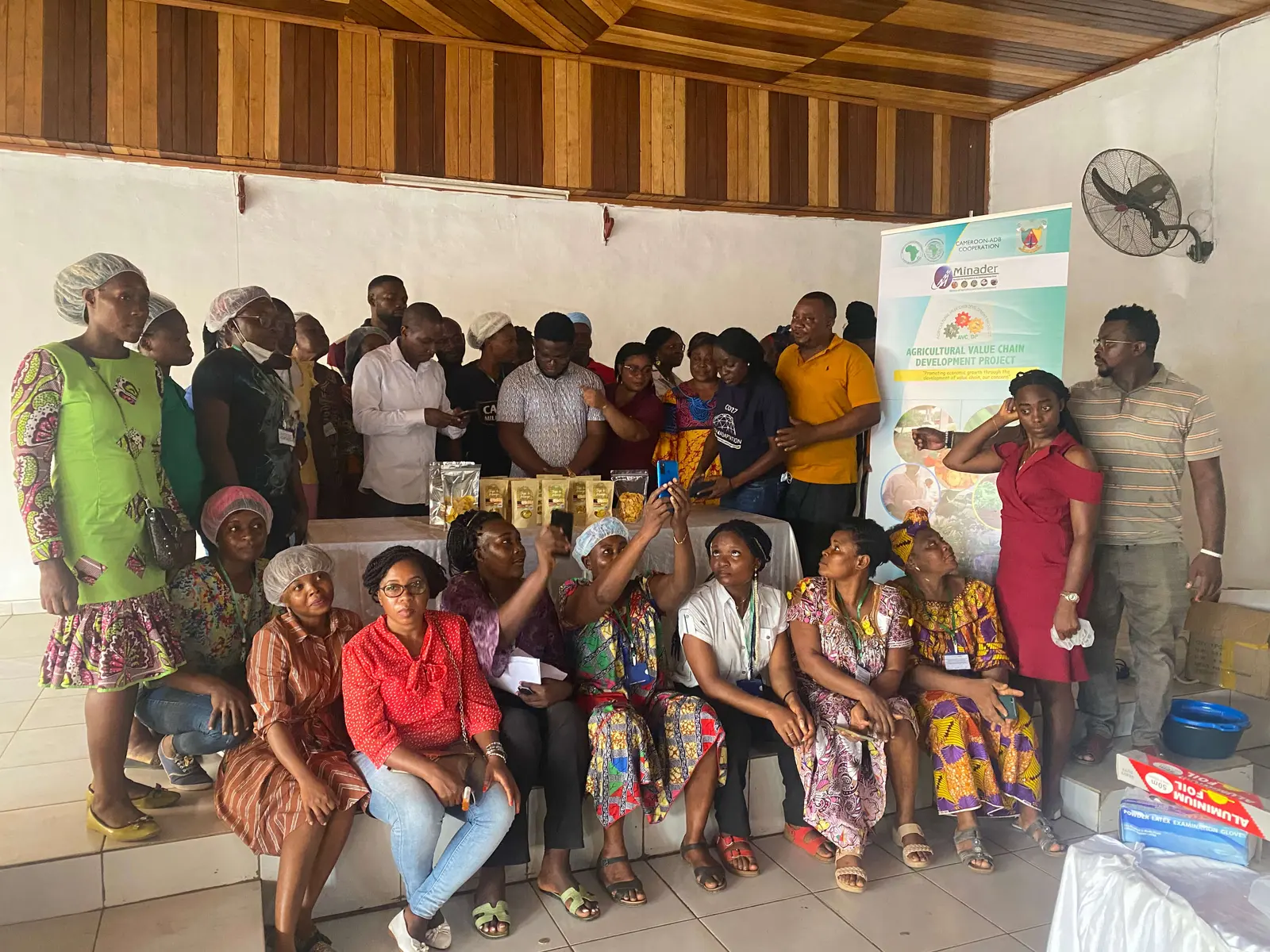
Women in hairnets and aprons gather with trainers in front of a programme banner
Women in Food Systems pilot

Training for women in crop production, food processing, quality control and branding, ending in a business plan competition and a place in Mumita's supplier network.

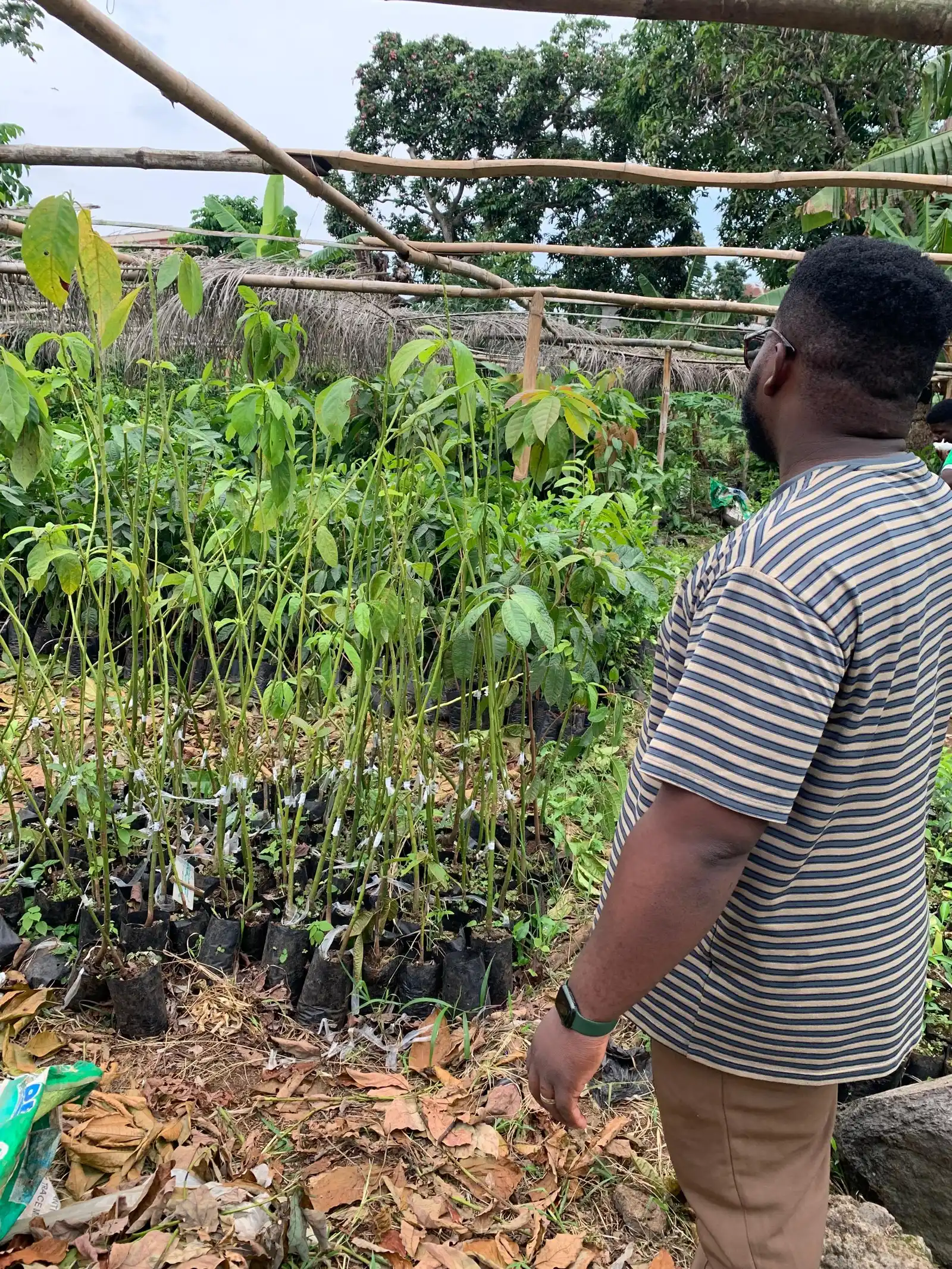
A consultant inspects potted seedlings in a nursery
Community seed bank and input support

With local government partners, we distributed high-yield planting material for plantain, cassava and maize, ran farmer field schools on regenerative practice, and enrolled farmers into aggregation hubs.

Community members beside the finished greenhouse under its plastic cover

A closer look

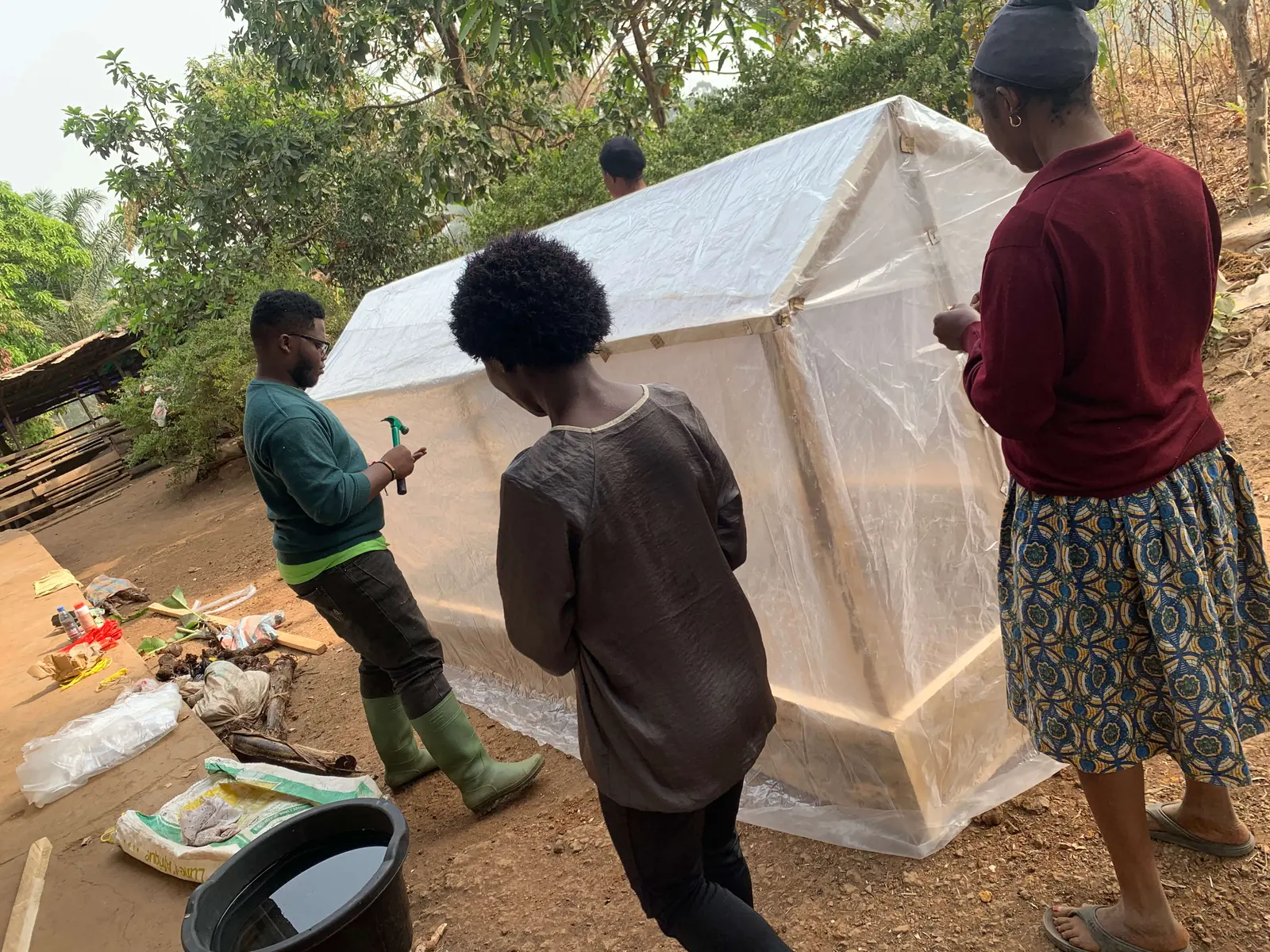
Greenhouses built with the people who use them

For the rural recovery project, the greenhouses were built on site with the community, from the first timber frame to the plastic cover.

Planning

We agreed the sites, the crops and the equipment with our partners and the community.

Building on site

Our team and the community raised the frames and fitted the covers together.

Training

The people who would use the greenhouses were trained to run them.

Data and traceability

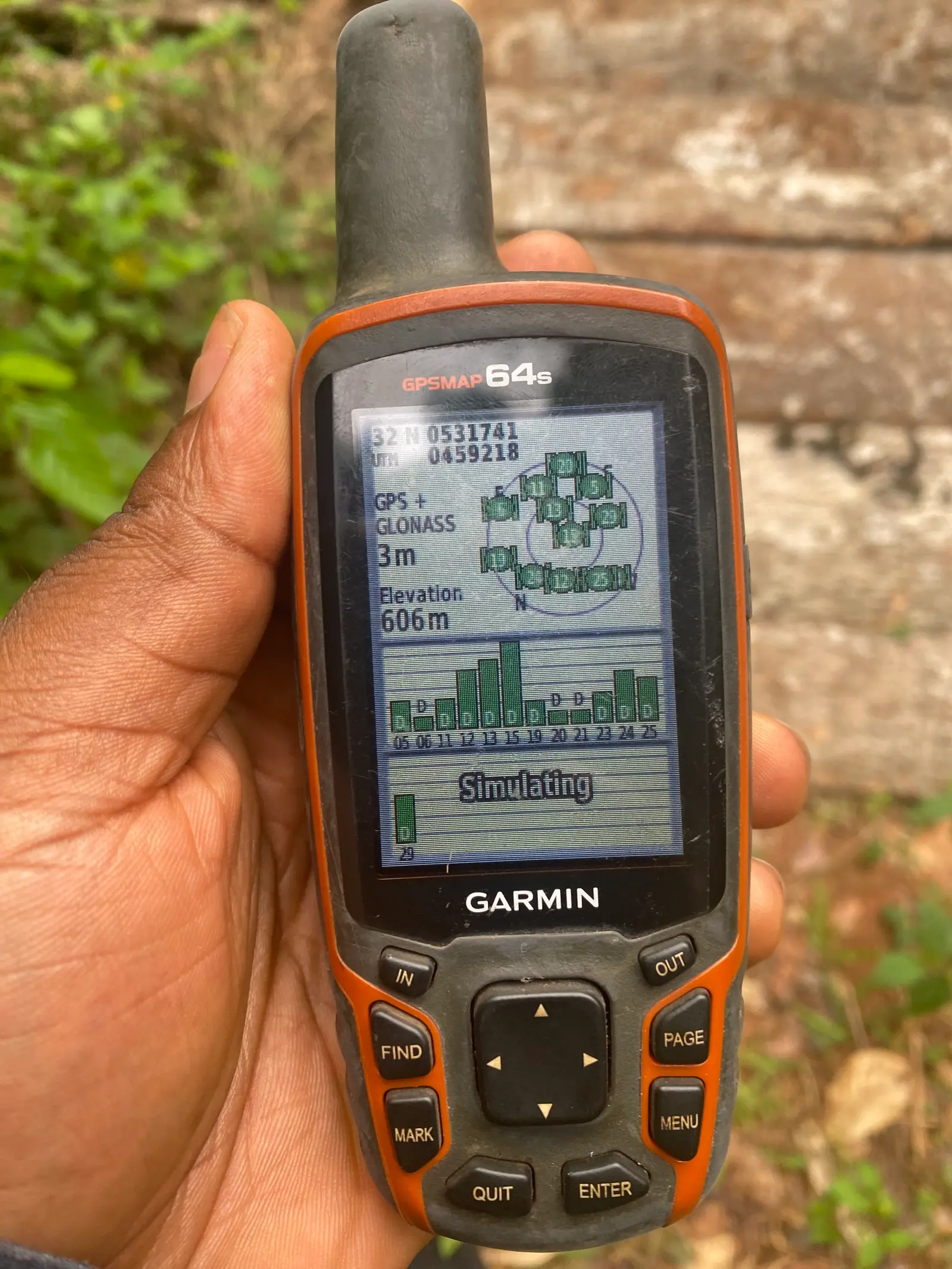
Value chain digitalisation and traceability

With international partners, we designed and deployed a traceability and record-keeping system for smallholders. It ties each farmer’s supply records to what buyers need to see before they buy.

A hand holds a handheld GPS unit showing satellite readings
What stays

What each project leaves in place

Skills with a trade

Young graduates in the Youth Agro-Incubation Programme worked hands-on in plantain farming, mushroom growing and snail production.

Women in the supply chain

The Women in Food Systems pilot ended with a business plan competition and a place in Mumita's supplier network.

Farmers in aggregation hubs

Farmers from the seed bank programme were trained in regenerative practice and enrolled into aggregation hubs.

Quick answers

About our projects

Agro-infrastructure, youth incubation, women’s value chain programmes, digital traceability, and seed and input support. We plan them with partners and deliver them with our own team.

Our institutional partners: international partners, local government and development institutions. They design and fund the work with us, and we plan it, install the equipment and run the training.

Farmers, cooperatives and communities, with a focus on young people and women.

It is built to keep running. Communities are trained to run what was installed, farmers are enrolled into aggregation hubs, and women join our supplier network.

Yes. Every project has its own monitoring framework, and we use the records to report openly to the partners who back the work.

Have a project in mind?

Tell us where it is, who it serves and what it should leave behind. We plan it with you, build it and train the people who run it.

Scroll to Top