
Flagship projects
We don't stop at designing projects. We carry them out, with farmers, institutions and communities, and we build them to keep running once we step back.
Every project draws on our technical know-how and on partners who back the work, and uses methods tested in the field that put community ownership first.
Projects delivered
 Infrastructure
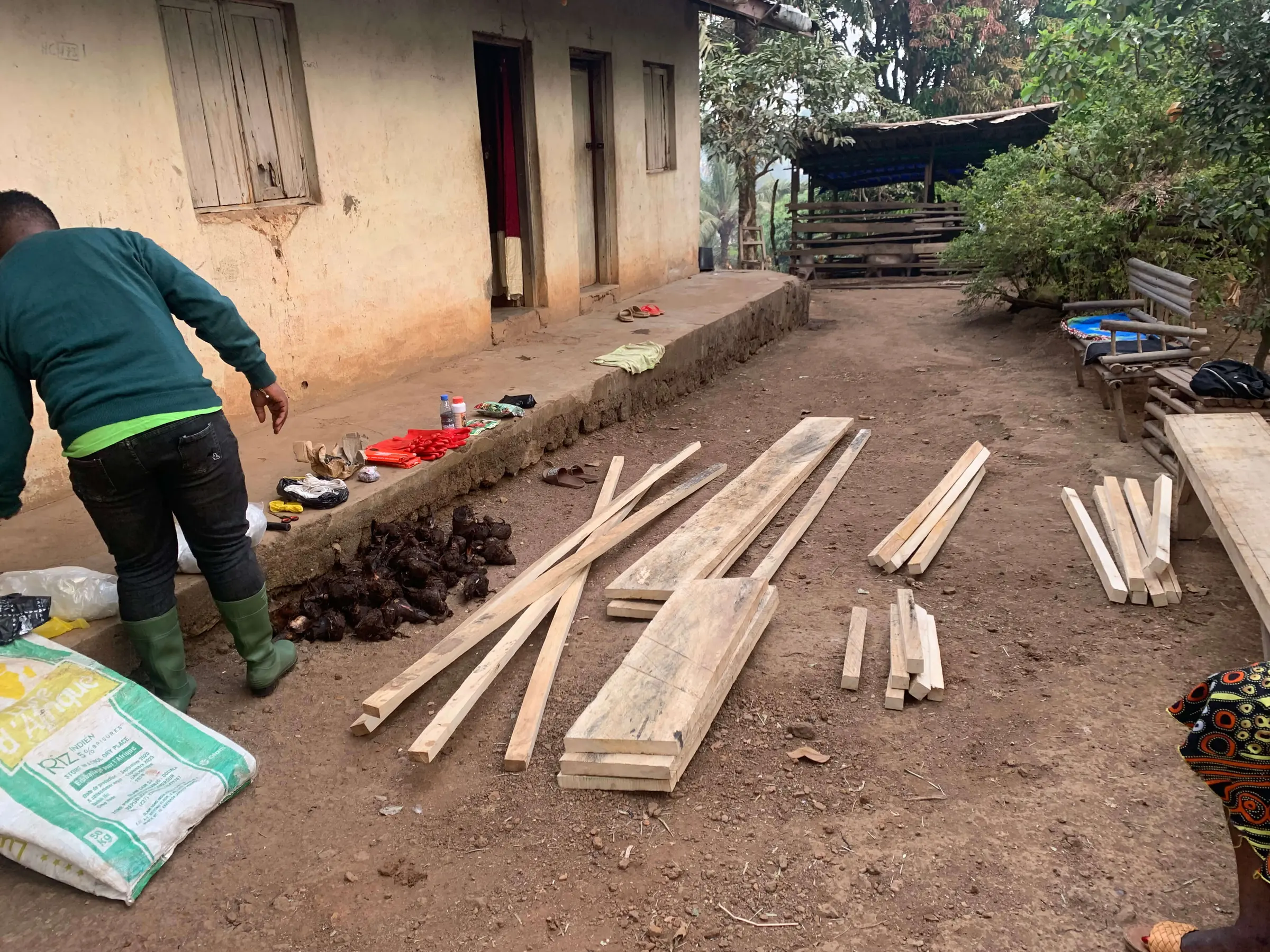
Agro-infrastructure for rural recovery
Climate-resilient farm tools, training, greenhouses and processing units for displaced communities. Our team planned the work, installed the equipment and ran the training.
 Youth
YouthYouth Agro-Incubation Programme
Agribusiness coaching, demonstration farms and mentorship for young graduates, with hands-on work in plantain farming, mushroom growing and snail production.
 Women
WomenWomen in Food Systems pilot
Training for women in crop production, food processing, quality control and branding, ending in a business plan competition and a place in Mumita's supplier network.
 Inputs
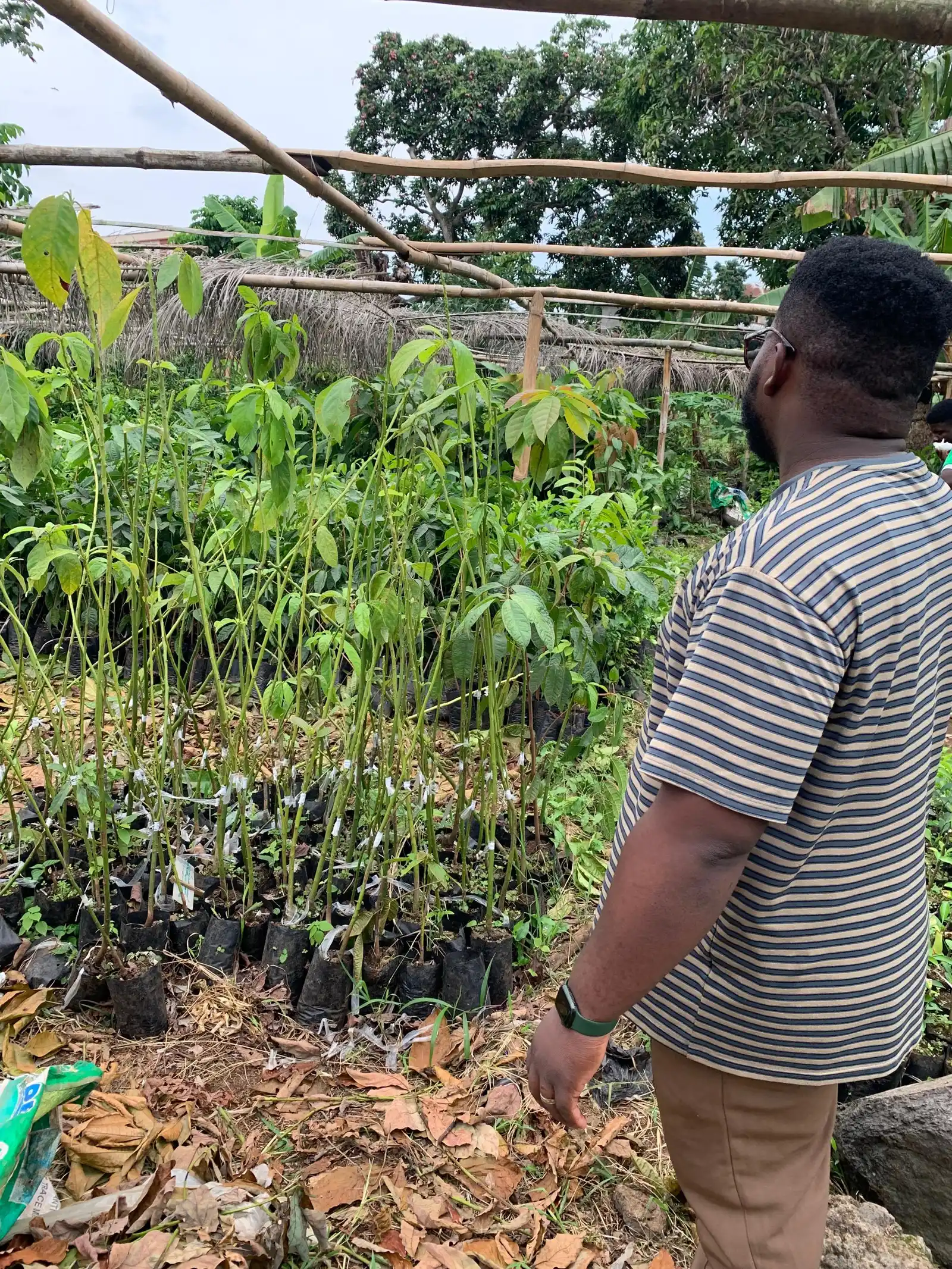
Community seed bank and input support
With local government partners, we distributed high-yield planting material for plantain, cassava and maize, ran farmer field schools on regenerative practice, and enrolled farmers into aggregation hubs.


What stays when we step back
A project is only finished when the people it was built for can run it without us.
Agro-infrastructure for rural recovery
For displaced communities, our team planned the work, installed the equipment and ran the training. The greenhouses were built on site with the people who would use them, from the first timber frame to the plastic cover.


What each project leaves in place
Skills with a trade
Young graduates in the Youth Agro-Incubation Programme worked hands-on in plantain farming, mushroom growing and snail production.
Women in the supply chain
The Women in Food Systems pilot ended with a business plan competition and a place in Mumita's supplier network.
Farmers in aggregation hubs
Farmers from the seed bank programme were trained in regenerative practice and enrolled into aggregation hubs.
Value chain digitalisation and traceability
With international partners, we designed and deployed a traceability and record-keeping system for smallholders. It ties each farmer's supply records to what buyers need to see before they buy.
How we use it. Record-keeping is one of the five pillars of our sustainability work. Records and data

Bring us your project
We plan it with you, build it and train the people who run it.
Quick answers
What kinds of projects do you deliver?
Agro-infrastructure, youth incubation, women's value chain programmes, digital traceability, and seed and input support. We plan them with partners and deliver them with our own team.
Who funds the projects?
Our institutional partners design, fund and deliver the work with us: international partners, local government and development institutions. We plan the work, install the equipment and run the training.
Who takes part?
Farmers, cooperatives and communities, with a focus on young people and women: the Youth Agro-Incubation Programme trains graduates, and the Women in Food Systems pilot trains women across the value chain.
What happens when a project ends?
It is built to keep running. Communities are trained to run what was installed, farmers are enrolled into aggregation hubs, and women join our supplier network.
Can partners see the results?
Yes. Every project has its own monitoring framework, and we use the records to report openly to the partners who back the work.
More on our impact
How we build for the long term, the training behind every project, and the rest of our impact.
 Sustainability
Five pillars
Research, climate adaptation, cooperatives, value chain management and records.
Read more Farmers, staff, cooperatives
Training and capacity building
Workshops for farmer groups, processing staff and interns, in English, French or the local language.
See the service Impact
Impact and CSR
What our work changes, where we work, and the proof behind it.
Read more


Bring us your next project
Tell us where it is, who it serves and what it should leave behind, and we will say how we would run it.


